


 Referral Form (402 KB)
  download
 Milestone Checklist (4.1 MB)
  Early Help Matters (476 KB)
  Your Family Rights in EI (74.4 KB)
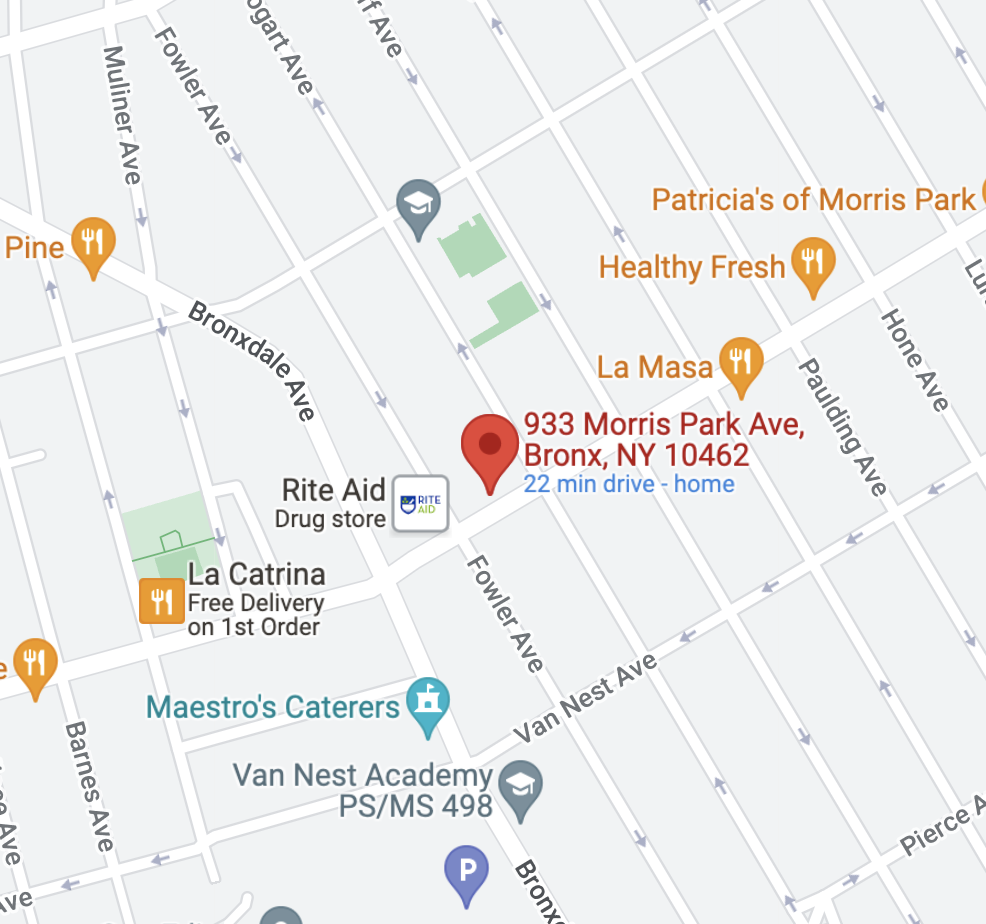
  933B Morris Park Avenue, Bronx, NY 10462
 718-379-2229
  info@123babytalks.com
  Mon-Fri: 9:00 am – 5:00 pm


Here are answers to your questions
Frequently Asked Questions
What Is The New York City Early Intervention Program?
The Early Intervention Program helps young children (birth to 3 years) who are not learning, playing, growing, talking or walking like other children their age. The program works with your family to set meaningful goals for your child and create a service plan to help your child and your family meet those goals. The earlier in life a child starts our program, the sooner they can learn the skills they need. The Early Intervention Program is: Available to all eligible New York City children, regardless of race, ethnicity, income, disability or immigration status Confidential Voluntary Family-centered Provided at no cost to families If you have health insurance, including Medicaid, it will be used to pay for Early Intervention services, at no direct cost to you. Source: NYC Early Intervention
Where Are Early Intervention Services Provided?
Early Intervention services can be provided anywhere in the community where your child typically spends their day, including: • Your home; • Child care center or family day care home that your child attends; • Community/recreational centers, play groups, playgrounds, libraries, or any place parents and young children go for fun and support; and • Early childhood programs and centers, such as early head start program, daycare settings, and similar services serving children ages 0 - 3 years old. Source: NYC Early Intervention
How Is Eligibility Determined?
Every county in NYS has an Early Intervention Official (EIO) who serves as the "single point of entry" for the EIP. All children referred to the EIO are evaluated by two or more professionals to determine if a child meets the eligibility requirements. This is called a "multidisciplinary evaluation." See NYSDOH's booklet The Early Intervention Program: A Parent's Guide for more information. Source: New York State - Early Intervention - Parent's Questions and Answers
How Are Services Delivered?
Services Delivered During Daily Routines All of the information that you share with your child’s team will be used during visits. It will help you and your child's therapists choose the skills you want to work on with your child. You and the therapists will figure out what you can do during mealtimes, bath times and other daily activities to help your child learn and develop. Your therapist will then work with you, your child and your family at home, at your child care center, or with your babysitter to help you learn how to help your child. This way, your child will work on new skills many times each day. Children learn best when they practice with the most important and familiar people in their lives during their everyday routines. Your feedback and ideas about how well the strategies work between visits is important. This way your child can reach their milestones and succeed during their daily activities through a family-centered approach called “Embedded Coaching”. Watch NYC Early Intervention: Family-Centered Best Practices NYC Early Intervention: Family Handout (PDF) Other Languages: Español NYC Early Intervention: Family Activity Sheet (PDF) Source: NYC Early Intervention
Can a family member be my service coordinator?
No, a service coordinator must meet certain qualifications and be approved by NYSDOH as an EIP service coordinator. Even if a family member had the qualifications, it would be a conflict of interest for a family member to be your service coordinator Source: Parent's Questions and Answers
Who Will Be Working With My Child?
Early Intervention Official Designee (EIOD) – The EIOD works for the New York City Early Intervention Program. He or she is responsible for making sure that eligible children have an Individualized Family Service Plan (IFSP) meeting. At this meeting, you and your team will decide what services and supports are needed to support your family in promoting your child’s development. The EIOD also helps parents when they have concerns about Early Intervention services. Interventionist – An interventionist is someone who is licensed or certified in a profession and has been approved to provide Early Intervention services in New York State. The interventionists working with families could be: special education teachers, Speech/Language Pathologists, Occupational or Physical Therapists, Psychologists, Social Workers, or one of 14 other professionals allowed to provide services in New York State. Service Coordinator – There are two types of service coordinators in New York State – initial service coordinators and ongoing service coordinators. Your initial service coordinator will be assigned to your family by the Early Intervention Program. Your initial service coordinator will help you with all the steps necessary to get services – from your child’s evaluation (multidisciplinary evaluation) to find out if he/she is eligible for the Early Intervention Program to your first IFSP meeting if your child is found eligible for the Program. You will be asked to choose your ongoing service coordinator at your first IFSP. The main job of your ongoing service coordinator is to make sure you and your child get the services in your IFSP. Your ongoing service coordinator will also help you find resources in the community to address your priorities, and make sure your IFSP is reviewed on a regular basis. You can keep your initial service coordinator as your ongoing service coordinator, or you can choose a new person. Source: Early Intervention Who will be Working with My Child?
What Is The Goal Of Early Intervention?
Early Intervention (EI) services can help you and your family: • Learn the best ways to care for your child; • Support and promote your child’s development; and • Include your child in family and community activities Source: NYC Early Intervention
Who Is Eligible For Early Intervention Services?
Once your child has been referred, the program will assign your family a service coordinator to explain Early Intervention services and begin an evaluation. The service coordinator will help your family select an evaluation agency and will continue providing assistance while your child is in the program. Our evaluation will tell you if your child is behind in developing skills compared to other children their age. These skills include taking a first step, smiling and waving. If your child has delays such as these, they may be eligible for Early Intervention. Source: NYC Early InterventionWho Is Eligible For Early Intervention Services? Once your child has been referred, the program will assign your family a service coordinator to explain Early Intervention services and begin an evaluation. The service coordinator will help your family select an evaluation agency and will continue providing assistance while your child is in the program. Our evaluation will tell you if your child is behind in developing skills compared to other children their age. These skills include taking a first step, smiling and waving. If your child has delays such as these, they may be eligible for Early Intervention. Source: NYC Early Intervention
What’s The Goal Of Early Intervention?
The goal of the Early Intervention Program is to help families help their children learn and develop. If your child is eligible for the program, we will assign a team to your child that will include teachers, therapists, a service coordinator and an Early Intervention Official Designee. Together, your team will develop a plan and identify services based on your concerns, priorities and resources. They will work with you to meet your child's and your family's goals. You know your child best, so you will be an important part of your child’s progress. The more parents participate in services, the better the child’s outcome. You should tell the team about: Your child's interests and what they like and dislike Strategies you think have helped your child learn Everyday activities that you and your child find difficult, such as bathing and eating at recommended meal times The most important improvements that you would like to see for your child Learn how you can refer your child to the Early Intervention Program. Watch: Early Help Matters: How Family Insurance Information Is Used [Español] Source: NYC Early Intervention
What Is A Service Coordinator?
There are two types of service coordinators. An Initial Service Coordinator (ISC) is assigned by your EIO to help guide you through the first steps of EIP enrollment. These include referral and through the development of an IFSP. The ISC will explain each step to you and help set up the necessary evaluations to see if your child is eligible. The Ongoing Service Coordinator (OSC) makes sure that you and your child receive the services that are listed in your IFSP. The OSC also helps you make changes to your IFSP when needed and makes sure your IFSP is reviewed on a regular basis. You will be asked to choose your OSC at your initial IFSP meeting.
What Happens After Early Intervention?
Transitioning Children Out of the Early Intervention Program Our program is for children ages birth to three years. Children may leave the program at any time. Around the time a child turns two, families and their Early Intervention team will start working on a plan for the family’s next steps after leaving our program. Transition Process for Families (PDF) Some children may be eligible for preschool special education services after they leave our program. These are provided by the Committee on Preschool Special Education through the Department of Education. Side-by-Side View Comparing the Early Intervention Program and the Committee on Preschool Special Education services (PDF) Source: NYC Early Intervention
Early Intervention: Questions Or Concerns
Your child’s Early Intervention service coordinator will be able to answer most questions. Your service coordinator is the first person you will meet in Early Intervention. They will help you understand your rights, set up your child’s evaluation and help find services if your child is eligible. You should share all of your concerns about your child's evaluation, progress, services and transition plan with your service coordinator. Regional Offices There is an Early Intervention regional office in each borough. If you have a question or concern about a child's plan or services, call the regional office in the borough where the child lives and ask for an Assistant Director. Bronx: 718-838-6887 Brooklyn: 718-694-6000 Manhattan: 212-436-0900 Queens: 718-553-3954 Staten Island: 718-568-2300 Early Intervention Consumer Affairs The Office of Consumer Affairs helps families and community partners by providing additional information and addressing concerns about Early Intervention services. Contact the Office of Consumer Affairs by calling 347-396-6828, or email EIConsumerAffairs@health.nyc.gov. Source: NYC Early Intervention